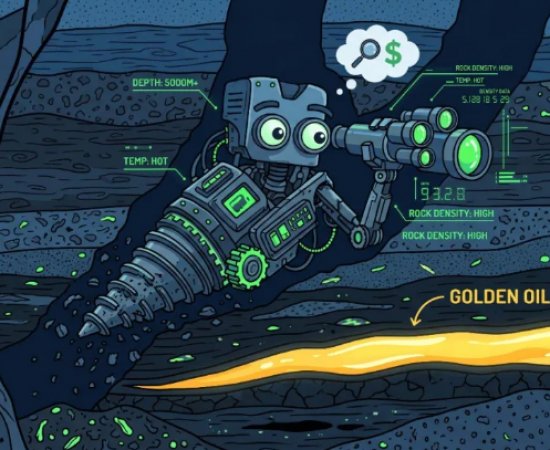
Miniature mining orientation sensors are core components for achieving high-precision spatial positioning and attitude measurement in mining engineering. By leveraging integrated sensing technologies and intelligent algorithms, they provide critical data support for mineral exploration, extraction, ground support, and equipment navigation. This article will explain the working principles, technical features, and industry applications of these sensors, using the DS550LT-A miniature orientation sensor developed by ZITN as an example.
Application of Fiber-Optic Technology in Gas Well Casing Leak Detection
Localization and Diagnosis of Tubing Micro-Leaks Using Fiber-Optic Monitoring
Excited to announce that we will be exhibiting at CIPPE 2026! Come visit us to explore our latest innovations and discuss how we can support your projects.
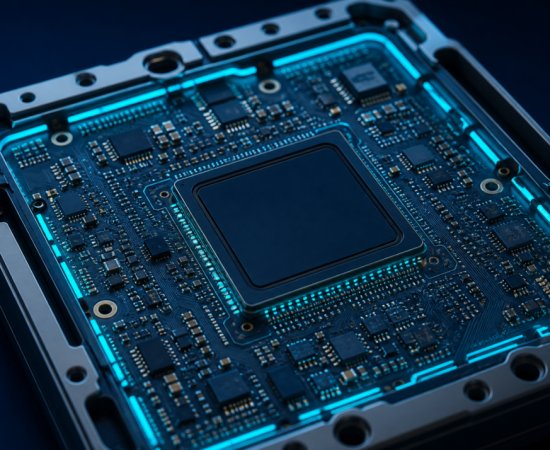
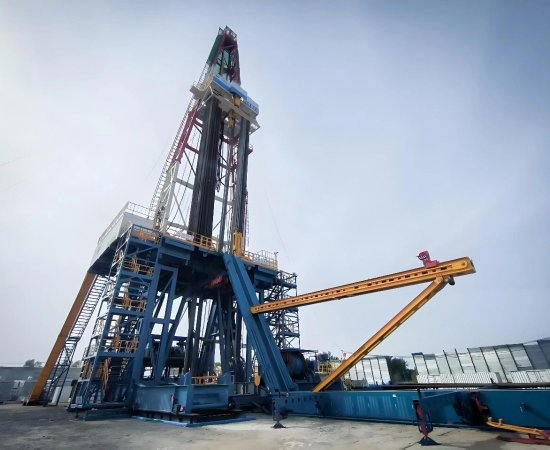
In extreme environments such as oil exploration, aerospace, geothermal development, automotive electronics, and industrial automation, electronic equipment often needs to operate stably under harsh conditions involving high temperatures, high humidity, and strong vibration. Particularly in scenarios like downhole measurement, engine control, and geothermal monitoring, ambient temperatures can persistently exceed 150°C, and even reach above 200°C. This poses severe challenges for core storage devices: conventional commercial memories are prone to failure at high temperatures, and data loss or read/write errors can directly lead to system paralysis, resulting in high maintenance costs and safety risks.
To address the casing pressure test failure in deep coalbed methane wells during completion, this case utilized Distributed Temperature Sensing (DTS) technology for precise leak location. By leveraging the fluid throttling cooling effect, the system successfully captured subtle temperature drops of 0.15~0.2°C. Breaking traditional limitations, this method offers high sensitivity (0.1°C) and Coiled Tubing-equivalent positioning accuracy. It not only confirms leakage but also pinpoints the exact depth, providing a critical basis for subsequent plugging operations and ensuring wellbore integrity in complex geology.
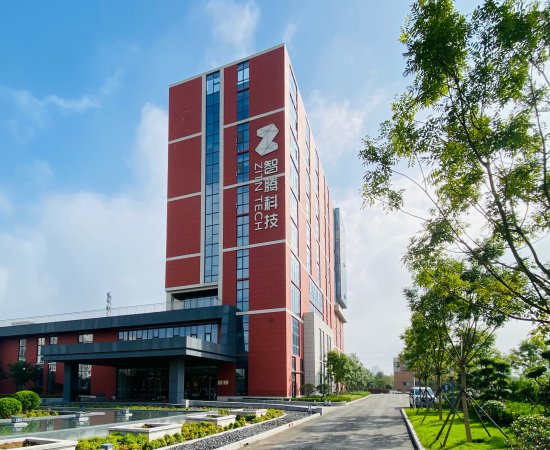
Recently, the Department of Industry and Information Technology of Shandong Province announced the recognition list for the 2025 Provincial "One Enterprise, One Technology" R&D Centers. Qingdao ZITN Technology Co., Ltd. stood out due to its exceptional innovation capabilities in extreme environment sensing technology. Following its recognition as the "Shandong Provincial Engineering Research Center for Extreme Environment Intelligent Microsystems and Sensor Technology," the company has now successfully obtained another provincial-level R&D platform qualification.
Fiber-optic temperature logging is a highly effective technology for monitoring oil wells. It facilitates the real-time identification of productive zones, inflow profiles, and annular leaks by delivering continuous, precise temperature data. Fiber-optic sensors are immune to electromagnetic interference, compact in size, and robust enough to withstand extreme downhole conditions, including high temperatures, pressure, and corrosive environments. The system operates on distributed temperature sensing, utilizing Raman backscattering and Optical Time-Domain Reflectometry (OTDR) to determine both temperature and precise location along the fiber. Specially engineered fibers can endure temperatures ranging from −65 °C to 300 °C, making them ideal for permanent downhole monitoring in thermal injection wells.
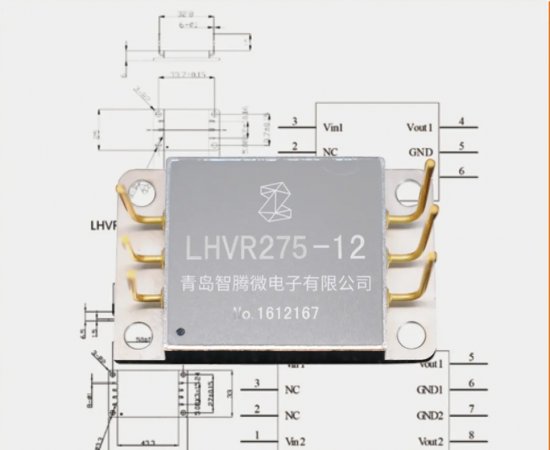
A DC-DC power module is a device that converts one DC voltage to another. Due to its high efficiency, small size, high reliability, and ease of use, it is ubiquitous in modern electronic systems. Below, I will detail its application cases and scenarios for you.